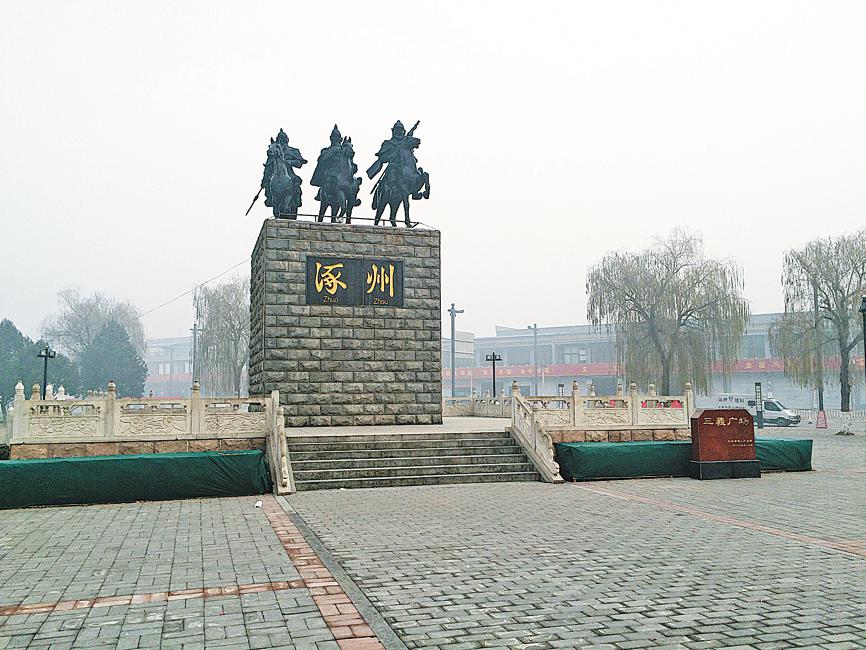
Three Kingdoms Period
Introduction
The Three Kingdoms Period, lasting from 220 to 280 AD, is a significant era in Chinese history characterized by political fragmentation and warfare among three rival states: Wei, Shu, and Wu. It followed the turbulent Eastern Han Dynasty and is renowned for its complex political maneuvers, legendary battles, and influential figures, giving rise to a rich cultural legacy. The period has inspired numerous tales, notably the "Romance of the Three Kingdoms," a historical novel that dramatizes the era's events and figures. This period is often celebrated for its strategic military tactics, political intrigue, and its profound impact on Chinese culture, history, and literature.
Historical Background
The Three Kingdoms Period emerged from the decline of the Eastern Han Dynasty (25-220 AD), a time marked by internal strife, corruption, and power struggles. The collapse of central authority led to the rise of regional warlords, each vying for control over China. This era began around 220 AD when the Han Dynasty officially ended, giving way to the establishment of three separate states: Wei in the north, Shu in the southwest, and Wu in the southeast. These states were founded by Cao Cao, Liu Bei, and Sun Quan, respectively, each claiming legitimacy as heirs to the Han legacy. The resulting division and conflict shaped the sociopolitical landscape of China, leading to periods of intense warfare and alliances.
Political Structure
The political structure during the Three Kingdoms Period was characterized by three distinct entities, each with its own governance system and territorial claims. Wei, the most powerful of the three, was founded by Cao Pi, son of the warlord Cao Cao. It implemented a centralized bureaucratic system influenced by the previously established Han administrative model. Shu, established by Liu Bei, placed great emphasis on Confucian values and loyalist ideals, striving to restore the Han lineage. Wu, founded by Sun Quan, adopted a more flexible governance approach, balancing between military might and diplomatic engagements. Each kingdom had its court with advisors, generals, and strategists who played crucial roles in the ongoing conflicts and political maneuvers among the states.
Key Figures
Cao Cao
Cao Cao (155-220 AD) was a pivotal figure during the Three Kingdoms Period, known for his military genius, political acumen, and controversial reputation. As a warlord, he laid the foundation for the state of Wei and established a strong centralized government. Cao Cao's strategic brilliance was evident in battles such as Guandu, where he defeated Yuan Shao, consolidating his power in northern China. Despite his political ambitions and successful military campaigns, Cao Cao was often portrayed as a cunning and ruthless leader in historical narratives, contributing to his enduring legacy in Chinese culture and literature.
Liu Bei
Liu Bei (161-223 AD) was a prominent warlord and the founding emperor of the Shu Han state. Revered for his benevolence, loyalty, and commitment to Confucian ideals, Liu Bei sought to restore the Han Dynasty's legitimacy. His charismatic leadership and ability to forge strong alliances, notably with figures like Zhuge Liang, were instrumental in establishing Shu as a formidable power. Liu Bei's endeavors and struggles against rival states, particularly with Cao Cao and Sun Quan, are immortalized in the "Romance of the Three Kingdoms," highlighting his quest for justice and rightful rule.
Sun Quan
Sun Quan (182-252 AD) was the founder of the Eastern Wu state, known for his astute governance and diplomatic prowess. Following the footsteps of his father, Sun Jian, and elder brother, Sun Ce, Sun Quan established Wu as a dominant force in southeastern China. His reign was marked by maritime expansion, economic prosperity, and cultural development. Sun Quan's ability to maintain strategic alliances, particularly with Liu Bei during the Battle of Red Cliffs, showcased his political acumen and contributed to Wu's longevity as a stable kingdom amidst the chaos of the Three Kingdoms era.
Major Battles
Battle of Red Cliffs
The Battle of Red Cliffs, fought in 208-209 AD, was a decisive naval engagement that played a crucial role in shaping the Three Kingdoms' power dynamics. The battle pitted the allied forces of Liu Bei and Sun Quan against the numerically superior army of Cao Cao. Utilizing strategic deception and exploiting the enemy's vulnerabilities, the allied commanders, including the legendary strategist Zhuge Liang, orchestrated a fire attack that decimated Cao Cao's fleet. The victory at Red Cliffs safeguarded the southern territories and solidified the alliance between Shu and Wu, altering the course of the Three Kingdoms conflict.
Battle of Guandu
The Battle of Guandu occurred in 200 AD between the forces of Cao Cao and Yuan Shao. Despite being outnumbered, Cao Cao employed tactical ingenuity to achieve a significant victory, cementing his dominance in northern China. The battle demonstrated Cao Cao's strategic brilliance, as he effectively disrupted Yuan Shao's supply lines and capitalized on internal dissent within Yuan's ranks. The triumph at Guandu marked a turning point in the power struggle, enabling Cao Cao to consolidate control and lay the groundwork for the Wei state.
Culture and Society
The Three Kingdoms Period was a time of cultural flourishing and social transformation, despite the prevailing warfare and political instability. The era witnessed the emergence of a distinct cultural identity, enriched by literature, art, and philosophical thought.
Literature and Art
The period inspired a wealth of literary and artistic works, capturing the drama and heroism of the time. The "Romance of the Three Kingdoms," written centuries later by Luo Guanzhong, remains a seminal historical novel, blending historical fact with mythological elements. Poetry, influenced by the war-torn landscape, often reflected themes of loyalty, valor, and the ephemeral nature of life. Artistic expressions, including calligraphy, painting, and music, thrived as means of preserving cultural heritage and documenting the era's events.
Social Structure
Society during the Three Kingdoms Period was characterized by a hierarchical structure, deeply rooted in Confucian values. The nobility and warrior class played dominant roles, while the peasantry formed the backbone of the economy. Social mobility was limited, though talented individuals, like Zhuge Liang and others, could rise through merit and service. The period's social fabric was intricately tied to the ongoing conflicts, with local communities often caught between rival factions. Despite the challenges, the era laid the groundwork for future societal developments, influencing Chinese culture and society for generations.
Legacy and Influence
The Three Kingdoms Period left an indelible mark on Chinese history and culture, resonating through subsequent dynasties and influencing the collective consciousness. Its legacy is reflected in the strategic and philosophical lessons derived from the era's warfare, politics, and diplomacy. The period inspired a rich tapestry of folklore, literature, and art, with characters like Cao Cao, Liu Bei, and Sun Quan becoming emblematic of leadership and heroism. The stories and legends of the Three Kingdoms continue to captivate audiences, shaping popular culture and serving as a source of inspiration for various artistic expressions, from novels and operas to films and video games.
Popular Culture
The tales of the Three Kingdoms have transcended historical boundaries, becoming a staple of popular culture worldwide. The enduring appeal of the period is evident in its extensive representation in literature, theater, and media. The "Romance of the Three Kingdoms" novel remains a literary classic, while its adaptations, including Peking Opera and modern cinema, continue to captivate audiences. The period's influence extends to video games, manga, and television series, where the epic narratives and strategic encounters are reimagined for contemporary audiences. This cultural phenomenon highlights the timeless allure of the Three Kingdoms, offering a window into a transformative era that continues to inspire creativity and imagination.
The Three Kingdoms Period is not only a historical epoch but also a cultural legacy that encapsulates the complexities and richness of ancient China. Through its political, military, and cultural dimensions, it continues to hold a significant place in the annals of history, inviting exploration and admiration across time and borders.








